


A modern pattern studio operating through a digital platform.
Harman Ateliers operates as a contemporary interpretation of the traditional tailoring studio.
Garments are not mass-configured from endless fabric libraries or customization menus.
Each piece belongs to a designed collection built around balanced patterns and controlled proportions.
Measurements, visual references, and pattern review are conducted through a digital process that allows garments to be drafted individually while maintaining the discipline of an atelier.
The objective is not variation.
The objective is consistency.


The Person Behind the Pattern
Pedro Haro has spent 14 years building things from scratch in men's style.
Born in Tijuana and based between San Diego and Mexico, he entered the fashion industry as a shoemaker — hand-painting shoes under the Just a Men Shoe brand and selling direct to the customer before that was the standard approach.
That led to The Men's Shoe Club, a subscription service for men's footwear that ran for four years before the pandemic brought it to a close.
Through it all, Pedro stayed close to custom menswear — not as a business, but as a way of dressing. His travels introduced him to ateliers across different cities and to the discipline of garments made to fit a single person rather than a size range.
Eight years ago he opened his own atelier in Tijuana, Mexico. Since then, he has built bespoke, custom, and made-to-measure garments for men who care about how they dress.
Harman Ateliers is that practice, taken digital.
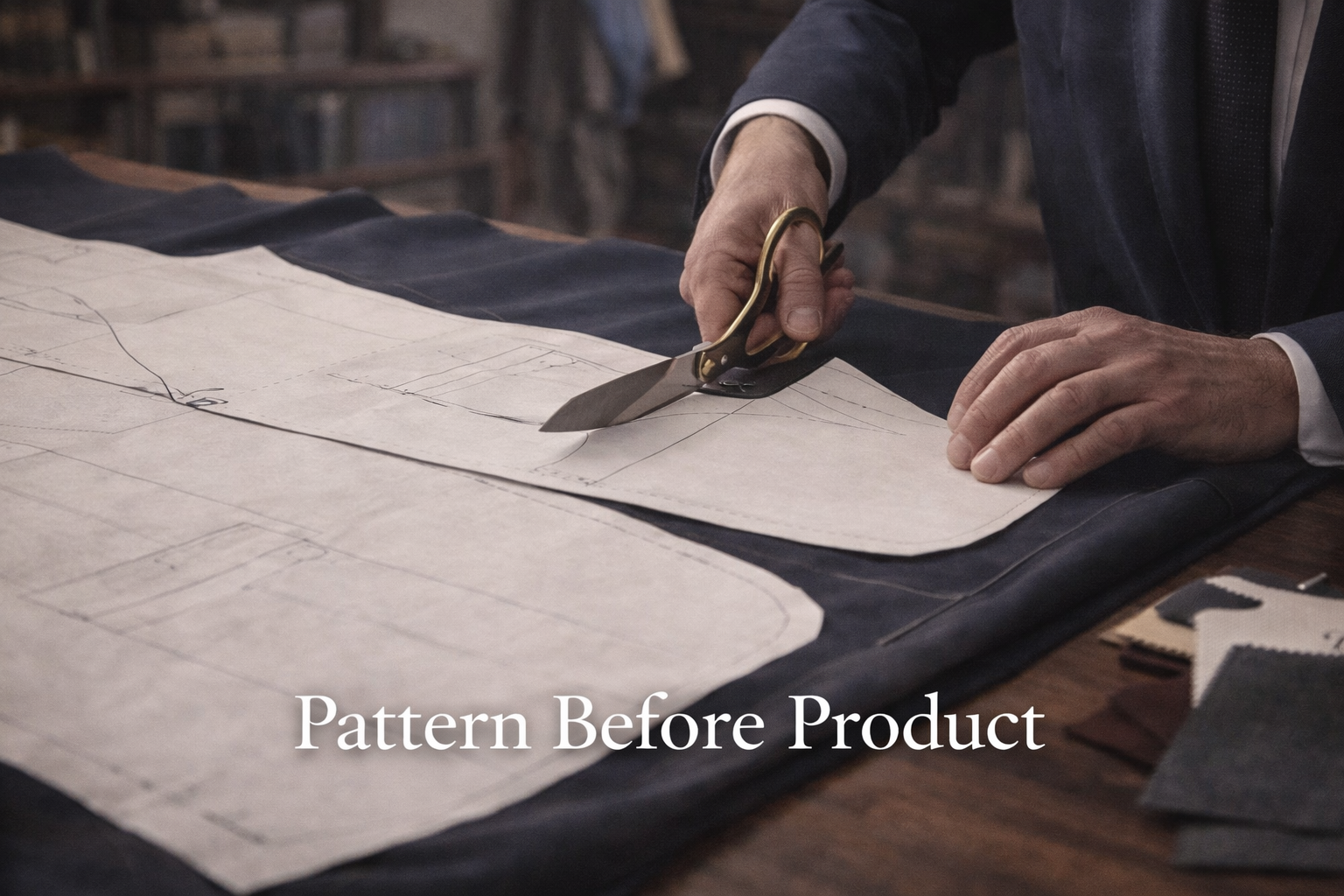

Every garment begins with proportion.
Rather than designing garments around fabric options, Harman Ateliers begins with carefully defined patterns that establish the foundation of each piece.
Measurements are translated into a personal pattern that determines balance, structure, and silhouette.
This approach prioritizes fit and proportion before aesthetic variation.


Traditional ateliers operate through in-person fittings.
Harman Ateliers translates that process into a structured digital environment where measurements, visual references, and pattern review are conducted remotely.
Clients submit garment measurements from a shirt that fits them well, along with optional reference photos.
These inputs allow patterns to be drafted and reviewed with precision before production begins.
This process enables a modern atelier experience without geographic limitations.


Effortless garment pairings
Many made-to-measure platforms rely on large fabric libraries and endless customization options.
Harman Ateliers follows a different philosophy.
Each garment is part of a designed collection where silhouette, collar structure, and proportion are intentionally defined.
Clients do not construct garments from scratch.
Instead, they select pieces that already reflect balanced design principles.
This approach preserves clarity while ensuring consistency across the wardrobe.


The objective is precision, not correction.
Structured garments require additional verification before production.
For jackets and other structured pieces, Harman Ateliers follows a calibration protocol designed to confirm proportion and balance.
Calibration may involve guided photo submission, a 360° visual review, or a short video consultation when necessary.
This process allows adjustments to be incorporated into the pattern before the garment is produced.
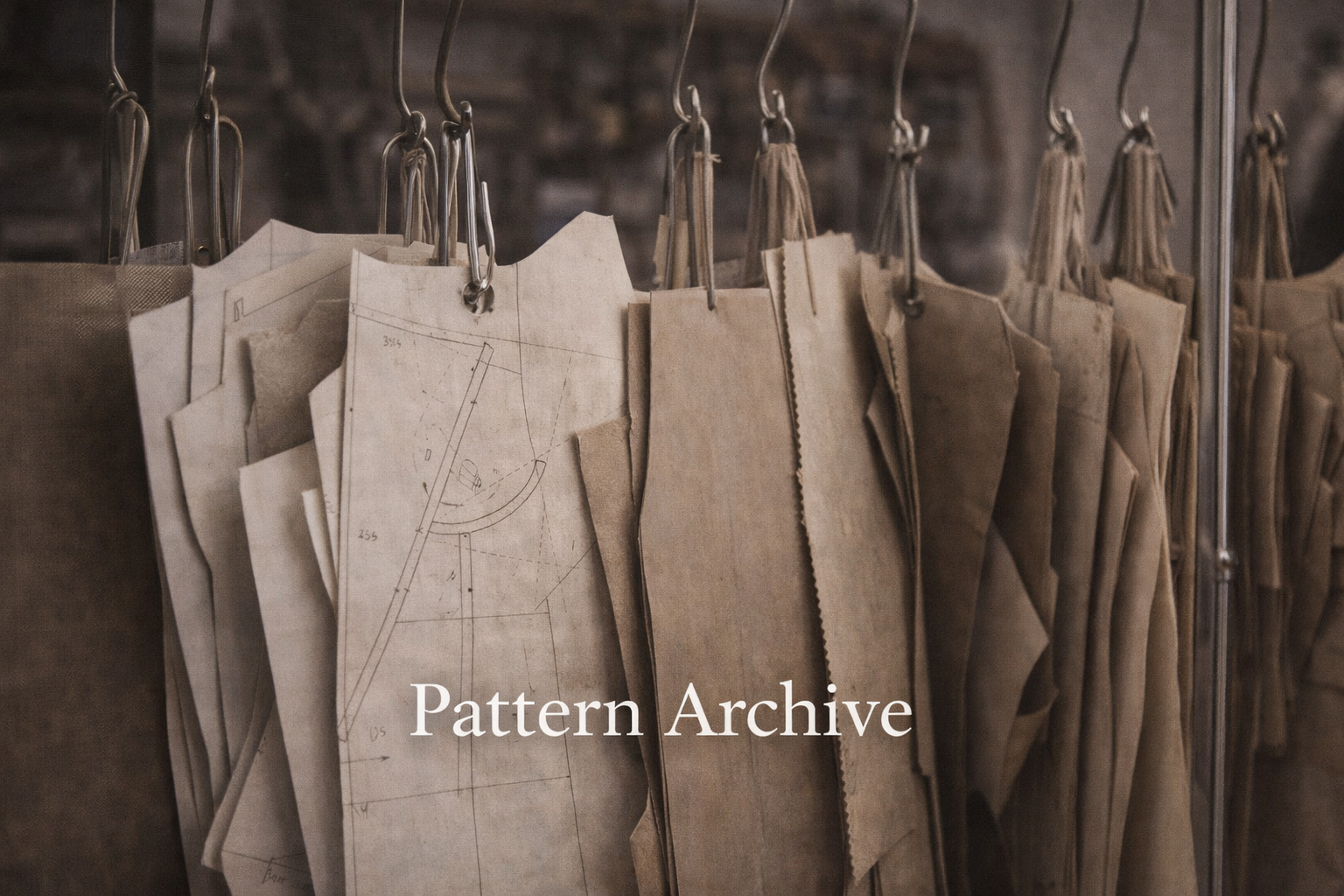

This is how a wardrobe is built — deliberately and gradually.
Once a client’s measurements have been reviewed and the garment produced, the pattern is securely archived.
Future garments are drafted using the same pattern, allowing the wardrobe to expand while maintaining consistent fit and proportion.
Over time, the pattern becomes increasingly refined as the system evolves with each order.
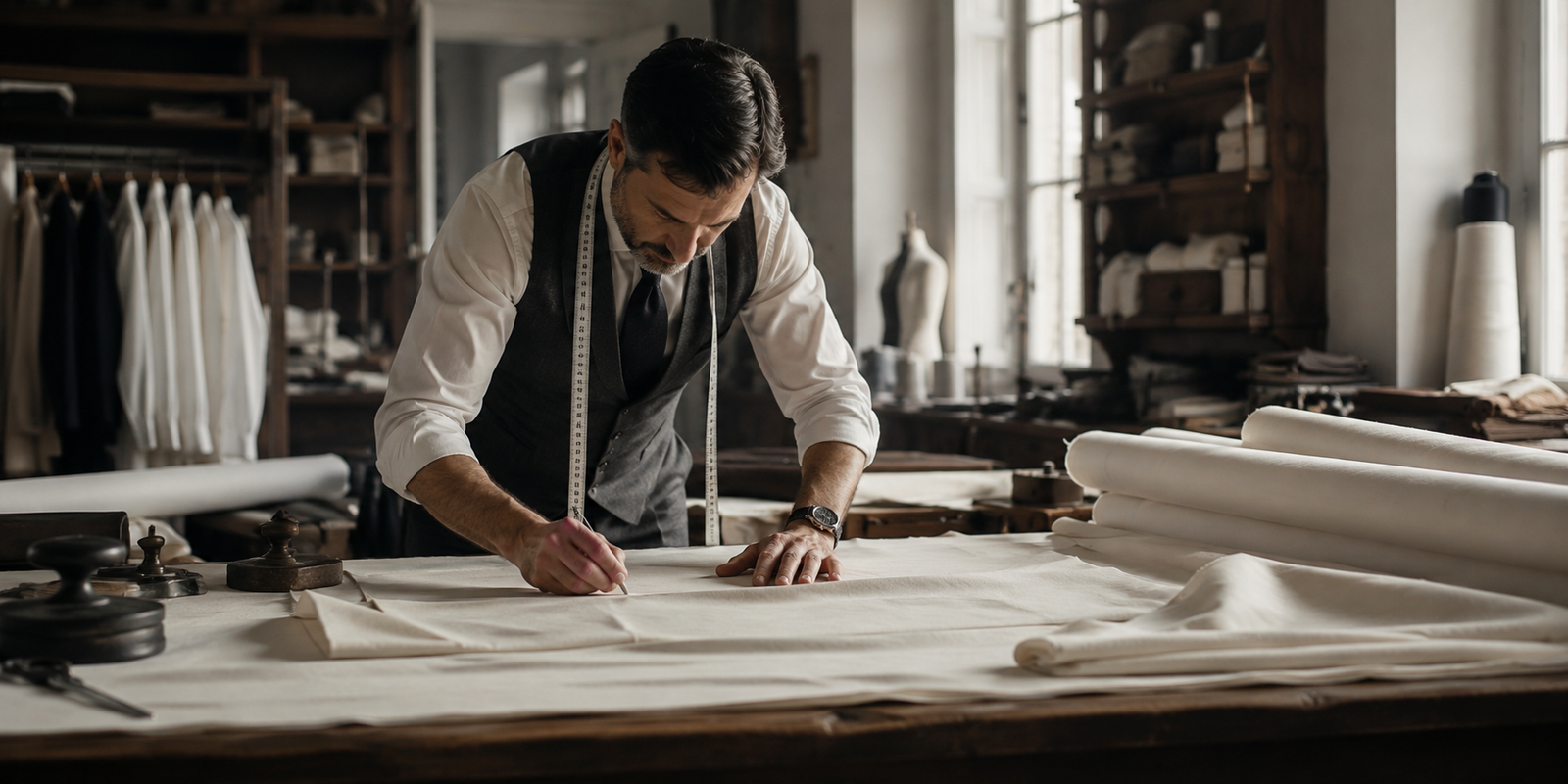

Crafted in Portugal.
Every Harman Ateliers garment is produced by skilled artisans in Portugal.
Portugal's textile industry carries centuries of craft tradition, refined alongside modern precision manufacturing. Our production partners operate under European labour standards — ensuring that every piece is made with both technical excellence and ethical integrity.
Each garment is cut and sewn individually, not mass-produced. The quality of construction is held to the same standard as the precision of the pattern.


Harman Ateliers operates with a simple objective: To build garments that follow proportion, structure, and repeatable fit.
Each garment is reviewed before production begins.
Measurements, reference photos, and proportional relationships are evaluated to ensure that the pattern aligns with the structure of the garment.
This oversight replaces the traditional in-person fitting process and ensures that each piece reflects the discipline of the atelier.